Exploring Independent Living Options for Seniors in St Louis
When my mother started talking about leaving the family home, I assumed she meant a nursing home. That is what most people think of when they hear "senior living." But after months of touring places across St Louis, I realized the picture is much wider. There are independent living options that sit between full independence and full-time care. The key is knowing what each setup actually delivers day to day.
I have spent the last few years helping families navigate this landscape. What I have learned is that the phrase "independent living options" covers a range of housing types, from active adult communities to small-scale homes that blend privacy with light support. The trick is matching the option to the person, not the other way around.
What Independent Living Really Means
Independent living is not a single product. It is a category that includes apartments, condos, and cottage-style facilities where residents live on their own but have access to meals, housekeeping, and social activities. In St Louis, many of these communities are located in suburban settings with easy access to parks and medical centers. They are designed for seniors who can manage their own activities of daily living but want to reduce home maintenance and isolation.
The biggest difference between independent living and assisted living is the level of hands-on care. In independent living, you are responsible for your own bathing, dressing, and medication management. If those tasks become difficult, you might need to move to assisted living or bring in home care. That is why many families start by looking at independent living options while their loved one is still healthy, so the transition feels like a choice rather than a crisis.
Why Cottage-Style Facilities Stand Out
One model that has gained traction in St Louis is the cottage-style facility. These are small-scale homes, often with six to twelve residents, arranged in a neighborhood-like cluster. Each resident gets a private room, and common areas are shared like a family home. The ratio of staff to residents is higher than in large institutional buildings, which means caregivers actually know everyone by name.

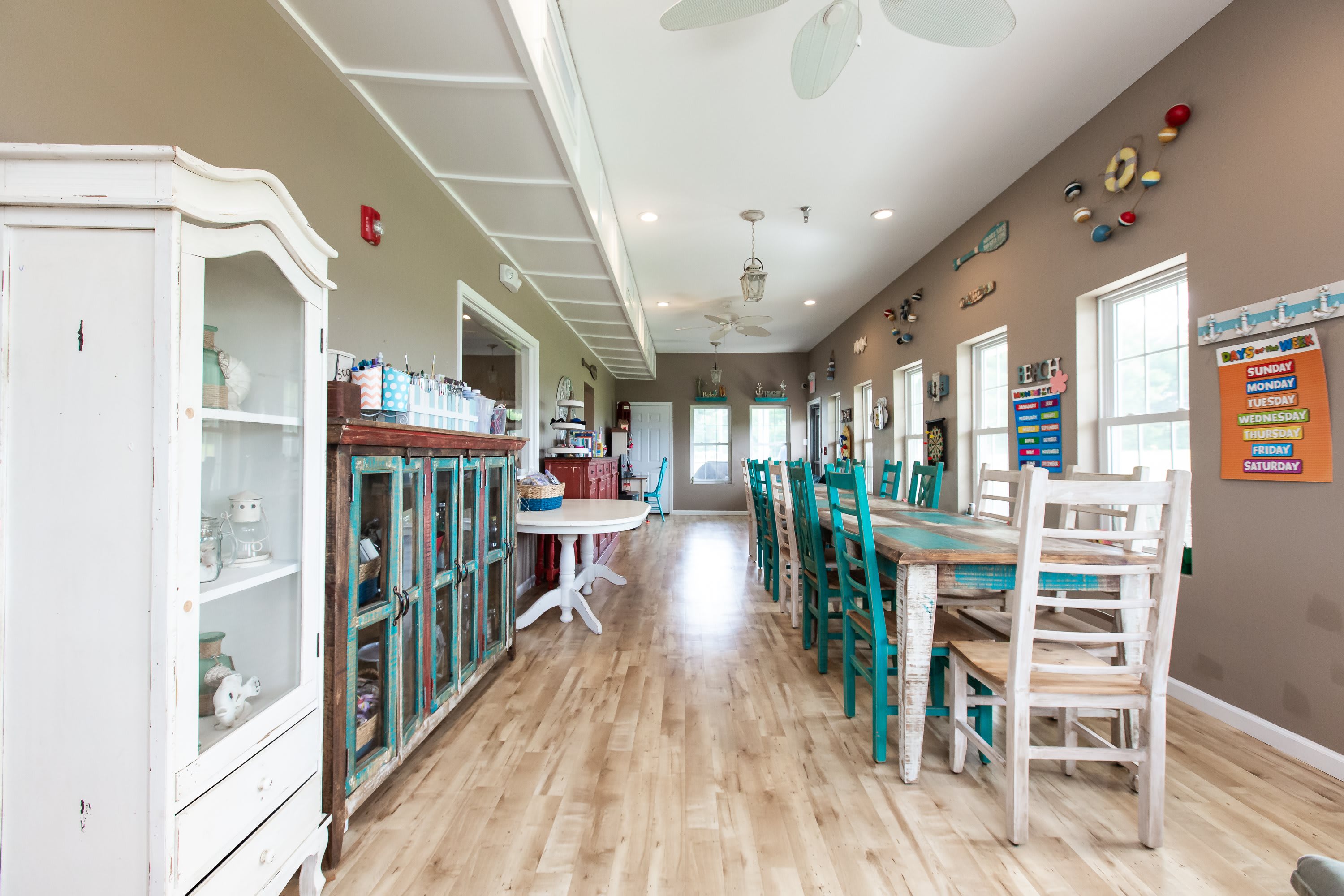
I visited a cottage-style facility last spring. The kitchen smelled like roasting chicken, and two residents were playing cards in the living room. It felt like a home, not a hospital. That is the goal of person-centered care: adapt the environment to the person, not the other way around. For someone who values privacy but does not want to be alone, this setup can be a perfect middle ground.
Memory Care and Specialized Support
Memory care is a specific type of assisted living for people with Alzheimer's or other dementias. These units are secure, with wandering paths and staff trained in dementia communication. The Alzheimer's Association recommends small-group activities and consistent routines, which small-scale homes can provide more naturally than large facilities.
If your loved one has a dementia diagnosis, you should look for a memory care program that offers structured days, sensory activities, and family involvement. Many cottage-style facilities in St Louis include a dedicated memory care wing or a separate home on the same campus. That way, if a resident's needs change, they can move to a higher level of care without leaving the community they know.
Financial Considerations and Benefits
Cost is often the deciding factor. Independent living options are generally less expensive than assisted living because they include fewer services. Monthly fees in St Louis range from about $1,500 to $4,000 depending on location, size, and amenities. Medicare does not cover room and board in independent living, but it may cover some home health services if you qualify. Medicaid does not pay for independent living either, though some states offer waivers for home and community-based services.
If the senior is a veteran or a surviving spouse, VA benefits can help cover the cost of assisted living or home care. The Aid and Attendance pension is one example. I have seen families combine VA benefits with a small private-pay account to afford a cottage-style facility that would otherwise be out of reach.
Respite care is another tool. If you are a caregiver and need a break, many facilities offer short stays of a few days or weeks. This gives the senior a chance to try out the environment and gives you time to rest. It is not a long-term solution, but it can be a bridge to a permanent move.
Comparing the Main Options
Here is a quick comparison of the most common senior housing types in St Louis:

- Independent living communities: apartment-style, meals included, no hands-on care. Best for active seniors who want social life and no maintenance.
- Assisted living: help with activities of daily living like bathing and medication. Private rooms or shared suites. Staff on site 24/7.
- Memory care: secure, specialized dementia care. Higher staff ratio. Structured activities designed for cognitive engagement.
- Nursing homes: skilled nursing for serious medical needs. Usually covered by Medicare for short stays or Medicaid for long-term care.
- Home care: a caregiver comes to the senior's own home. Can be part-time or full-time. Allows aging in place but can be isolating.
Each of these has trade-offs. Independent living offers freedom but little support. Nursing homes offer full medical care but less privacy. The sweet spot for many families is assisted living in a small-scale home, where you get private rooms, family-focused care, and enough help to stay safe.
How to Start the Search
Begin by listing what matters most to the senior. Is it staying in their current neighborhood? Having a private room? Access to a garden or a pet? Then match those priorities against the independent living options available in St Louis. Tour at least three places, and visit at mealtime so you can see the food and the social atmosphere.
Ask about staff turnover. High turnover usually means low morale, which affects care. Ask about the activities schedule. A good program offers variety: exercise, games, outings, and creative projects. Ask about the policy on visitors and overnight guests. Some facilities restrict hours, while others welcome family any time.
One thing I always tell families: do not overlook the small things. The way the staff greet residents in the hallway tells you more than any brochure. The smell of the common area matters. The noise level in the dining room matters. These details add up to the daily reality of living there.
Aging in Place vs. Moving
Aging in place means staying in your own home with support from home care, family, and community services. It can work well if the home is safe, the senior has social connections, and care needs are manageable. But it can also be lonely and expensive if modifications are needed, such as grab bars, ramps, or a stairlift.
Moving to a cottage-style facility or other senior housing can solve those problems overnight. The trade-off is giving up the home and the memories attached to it. For many seniors, that emotional cost is real. But I have also seen people blossom after the move, making new friends and joining activities they had stopped doing at home.
There is no single right answer. The best choice depends on health, finances, and personality. What matters is that the decision is made with full information and plenty of time. Rushing into a placement because of a hospital discharge or a caregiver burnout rarely leads to satisfaction.
Final Thoughts
Navigating senior housing in St Louis does not have to be overwhelming. Break it into steps: understand the different independent living options, figure out what level of care the senior actually needs today, and then match that to a facility that feels like home. The cottage-style model is worth a close look if privacy and personal attention are high priorities.
Talk to the staff, talk to residents, and trust your gut. If a place feels cold or rushed during a tour, it will probably feel that way every day. If it feels warm and welcoming, that is a good sign. The right facility can give your loved one a new chapter full of connection and dignity. That is what family-focused care is all about.